







In an era where information moves faster than most readers can process, PressVibePulse Com has emerged as a name gaining attention among people who want quick, digestible, and reliable content online. As digital media consumption continues to shift away from lengthy print-style journalism toward fast, mobile-friendly formats, platforms like PressVibePulse Com are stepping in to fill that gap. This article explores what PressVibePulse Com represents, how it fits into the modern content ecosystem, what makes it stand out, and why it continues to draw curiosity from readers, marketers, and digital researchers alike. Whether you’re discovering the name for the first time or looking for a deeper understanding, this guide breaks it all down clearly.
What Is PressVibePulse Com?
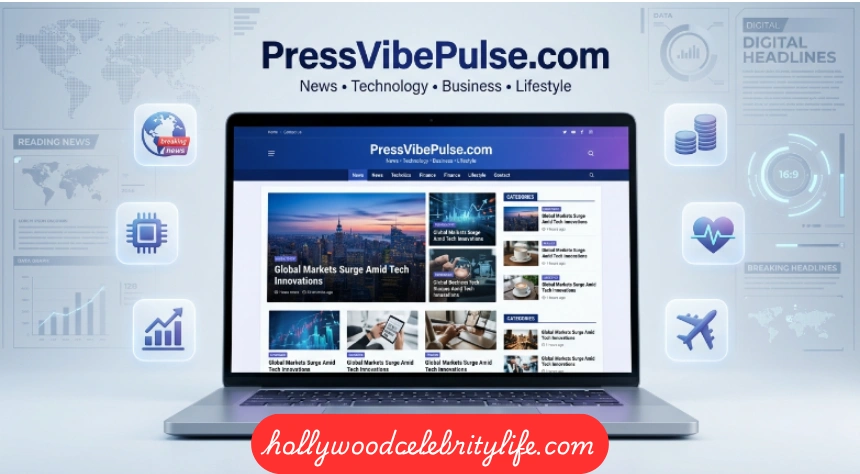
At its core, PressVibePulse Com operates as an online content and media platform designed around the idea of delivering timely, easy-to-read information to a broad audience. The name itself reflects its identity: “Press” signals a connection to journalism and publishing, “Vibe” suggests a modern, relatable tone, and “Pulse” implies real-time awareness of trends and happenings. Together, these elements point to a platform built for readers who want relevant content without wading through overly technical or dense writing. Rather than positioning itself as a traditional newsroom, PressVibePulse Com leans into a more accessible, reader-first approach that mirrors how audiences actually consume information today—quickly, visually, and on the go.
The Rise of Vibe-Driven Digital Platforms
To understand PressVibePulse Com, it helps to look at the broader trend it belongs to. Over the past several years, dozens of platforms with similar naming patterns—combining words like “pulse,” “vibe,” and “press”—have appeared online, reflecting a shift in how digital publishers brand themselves. These names are intentionally chosen to feel current and energetic, distancing themselves from the formal tone of legacy media outlets. This branding strategy isn’t accidental; it’s a response to audience research showing that younger, mobile-first readers respond better to friendly, informal platform names. PressVibePulse Com fits squarely into this category, positioning itself as part of a new generation of content hubs built for speed and relatability rather than institutional authority.
Core Focus Areas and Content Categories
Platforms structured like PressVibePulse Com typically organize their content around a handful of key categories that appeal to general audiences. These often include trending news, lifestyle updates, entertainment coverage, technology insights, and general interest stories. The goal is breadth rather than deep specialization, allowing the platform to serve as a one-stop destination for readers who don’t want to jump between multiple niche sites. This category-based structure also supports better site navigation and search visibility, since each section can be optimized around specific reader intent. For a platform like PressVibePulse Com, this approach helps capture a wide range of search traffic while keeping the reading experience simple and organized.
Editorial Approach and Writing Style
One of the defining characteristics of platforms in this space is their writing style. Rather than dense paragraphs filled with jargon, the editorial approach favors short sentences, clear structure, and a conversational tone. This style choice is deliberate: it lowers the barrier to entry for casual readers while still delivering useful information. PressVibePulse Com, following this model, appears to prioritize clarity over complexity, making content approachable for readers who may not have time for in-depth analysis. This doesn’t mean sacrificing substance—rather, it means presenting substance in a format that respects the reader’s time. This balance between accessibility and value is central to how modern digital platforms build trust with their audience.
Why Accessibility Matters in Modern Publishing
Accessibility has become one of the most important factors in digital publishing success. Readers today are bombarded with information from social media, email newsletters, and traditional news outlets simultaneously, which means attention spans for any single piece of content are short. Platforms that succeed, including those modeled like PressVibePulse Com, understand that readability directly impacts engagement. Shorter paragraphs, clear headings, and scannable formatting aren’t just stylistic choices—they’re functional necessities. This is why many newer digital media brands are built from the ground up with mobile readability in mind, ensuring that whether someone is reading on a phone during a commute or a laptop at home, the experience remains smooth and frustration-free.



The Role of SEO in Platform Growth
No modern content platform can thrive without a strong foundation in search engine optimization (SEO). For a site like PressVibePulse Com, visibility in search results is often the primary driver of new readers discovering the platform for the first time. This involves careful keyword research, structured headings, internal linking, and consistent publishing schedules that signal relevance to search engines. Platforms that invest in SEO strategically tend to build sustainable, long-term traffic rather than relying solely on social media spikes. This is particularly important for newer entrants in the crowded digital media space, where standing out requires more than just good content—it requires that content to be discoverable in the first place.
How PressVibePulse Com Fits Into the Digital Media Landscape
The digital media landscape has become increasingly fragmented, with countless platforms competing for reader attention across news, lifestyle, and entertainment verticals. Within this crowded space, PressVibePulse Com represents a smaller, more focused entrant rather than a legacy institution with decades of history. This positioning isn’t necessarily a disadvantage—many successful digital platforms started as modest projects before growing their audience through consistent, useful content. Understanding where a platform like this fits requires recognizing that the digital publishing world now rewards agility and niche focus as much as it once rewarded scale and institutional reputation. Smaller platforms can often adapt faster to reader preferences and emerging trends.
User Experience and Website Design Considerations
Beyond content itself, user experience (UX) plays a major role in how readers perceive a digital platform. Clean navigation, fast loading times, mobile responsiveness, and minimal intrusive advertising all contribute to whether visitors stay engaged or leave quickly. For platforms operating in this space, including PressVibePulse Com, design choices often reflect an understanding that first impressions matter enormously online. A cluttered or slow website can undo even the best content, while a clean, intuitive layout encourages readers to explore further. As competition among digital platforms intensifies, UX has become just as important as editorial quality in determining whether a site retains its audience over time.
Content Consistency and Publishing Frequency
Consistency is another critical factor separating platforms that grow steadily from those that stagnate. Regular publishing schedules help build reader habits, improve search engine crawling frequency, and signal to audiences that a platform is active and reliable. For a site like PressVibePulse Com, maintaining a steady content cadence—rather than sporadic bursts of activity—supports long-term credibility. Readers are more likely to return to a platform they trust to have fresh content available. This consistency also feeds directly into SEO performance, since search engines tend to favor sites that demonstrate ongoing activity and relevance within their chosen subject areas over time.



Comparing PressVibePulse Com to Traditional News Outlets
It’s worth drawing a distinction between platforms like PressVibePulse Com and traditional, legacy news organizations. Established outlets often carry decades of institutional history, dedicated investigative teams, and formal editorial standards built over generations. Newer digital platforms, by contrast, typically prioritize speed, accessibility, and broad appeal over deep investigative journalism. This doesn’t make one approach inherently better than the other—they simply serve different reader needs. Someone seeking in-depth policy analysis might turn to a legacy outlet, while someone wanting a quick, digestible update on trending topics might prefer a platform styled like PressVibePulse Com. Recognizing this distinction helps readers set appropriate expectations for the type of content they’ll encounter.
The Importance of Transparency in Digital Media
As digital platforms multiply, transparency has become an increasingly important trust signal for readers. This includes clear information about who operates a site, how content is sourced, and what editorial standards are followed. Readers are growing more discerning about where their information comes from, particularly as concerns about misinformation continue to shape public discourse. For any platform, including one positioned like PressVibePulse Com, building long-term credibility depends on establishing clear, verifiable information about its operations. Platforms that are upfront about their scope, purpose, and limitations tend to earn more durable reader trust than those that obscure these basic details.
Audience Demographics and Reader Expectations
Understanding who reads platforms like PressVibePulse Com helps clarify their broader purpose. Generally, audiences drawn to fast-paced, accessible digital content skew toward younger demographics, including millennials and Gen Z readers who grew up consuming information through mobile devices and social feeds. These readers typically value speed, relevance, and shareability over exhaustive detail. They’re often scrolling between multiple tabs or apps, meaning content needs to capture attention quickly and deliver value within the first few sentences. Platforms that understand this audience behavior tend to structure their content accordingly—leading with the most important information and using formatting that supports quick scanning rather than linear, front-to-back reading.
Social Media Integration and Content Sharing
Modern digital platforms rarely exist in isolation from social media. Content from sites like PressVibePulse Com is often designed with shareability in mind, incorporating elements that translate well to platforms like Twitter/X, Facebook, and Instagram. This might include punchy headlines, visually engaging formatting, or content angles that spark conversation. Social sharing also serves as a secondary discovery channel alongside organic search, helping platforms reach audiences who might not find them through search engines alone. For newer digital media brands, building this social presence is often just as important as SEO in driving sustained traffic growth over time.
Monetization Models for Digital Content Platforms
Like most digital publishers, platforms in this category typically rely on a combination of advertising revenue, affiliate partnerships, and sponsored content to sustain operations. Display advertising remains one of the most common revenue streams, though many platforms are diversifying into native advertising and branded content to improve reader experience while maintaining profitability. Understanding these monetization models provides useful context for how sites like PressVibePulse Com likely sustain themselves financially, even without publicly disclosed financial details. This business reality shapes many editorial and design decisions, from content topic selection to page layout choices that balance reader experience with revenue generation.
Challenges Facing Newer Digital Media Platforms
Launching and growing a digital content platform in today’s environment comes with significant challenges. Competition for reader attention is fierce, search algorithms are constantly evolving, and building a recognizable brand takes sustained effort over time. Platforms like PressVibePulse Com must navigate these obstacles while also establishing credibility in a space increasingly scrutinized for content quality and accuracy. Success often depends on finding a specific niche or tone that resonates with a defined audience segment, rather than trying to compete directly with much larger, established outlets across every content category simultaneously.
Future Outlook for PressVibePulse Com and Similar Platforms
Looking ahead, the trajectory for platforms styled like PressVibePulse Com will likely depend on their ability to adapt to changing reader habits and search engine algorithm updates. As artificial intelligence tools increasingly influence how content is discovered and consumed, platforms that prioritize genuine reader value—rather than purely algorithm-chasing tactics—are better positioned for long-term sustainability. The broader trend toward accessible, mobile-first content shows no signs of slowing, suggesting continued opportunity for platforms that can consistently deliver clear, relevant information in a format today’s readers actually want to engage with.
How to Evaluate Any Digital Media Platform’s Credibility
For readers encountering a platform like PressVibePulse Com for the first time, a few practical steps can help assess its reliability. Checking for clear contact information, an accessible about page, transparent editorial policies, and consistent publishing history are all reasonable indicators of legitimacy. Cross-referencing specific claims against other established sources is also a smart habit for any digital content consumer. This kind of due diligence isn’t unique to newer platforms—it’s good practice across all digital media consumption, helping readers build a well-rounded, accurate picture of the information landscape they’re navigating.
Conclusion
PressVibePulse Com represents a broader shift happening across digital publishing—one where accessibility, speed, and reader-friendly formatting increasingly take priority alongside traditional editorial values. While newer platforms in this space face real challenges around building trust and standing out in a crowded market, they also reflect genuine changes in how modern audiences want to consume information. Understanding platforms like this requires looking beyond the name itself to the broader trends in digital media it embodies: mobile-first design, SEO-driven growth, and a conversational tone built for today’s fast-scrolling reader. As the digital content landscape continues evolving, platforms that balance readability with credibility will be the ones that endure.
Frequently Asked Questions (FAQs)
1. What type of content does PressVibePulse Com focus on? Platforms structured like this typically cover trending news, lifestyle, entertainment, and general-interest topics written in an accessible, easy-to-read style.
2. Is PressVibePulse Com a traditional news outlet? No—it appears to function more as a modern digital content platform rather than a traditional, institutional newsroom with formal investigative journalism.
3. How does PressVibePulse Com attract readers? Like most digital platforms, growth typically comes through a mix of search engine optimization, social media sharing, and consistent publishing schedules.
4. What makes platforms like this different from legacy media? They generally prioritize speed, accessibility, and broad appeal over long-form investigative reporting, catering to readers who want quick, digestible updates.
5. How can readers verify the credibility of a platform like PressVibePulse Com? Look for transparent contact details, a clear about page, consistent publishing activity, and cross-reference specific claims against other established sources.
6. Why do so many digital platforms use names like “Pulse” or “Vibe”? These names are designed to feel modern and relatable, appealing to younger, mobile-first audiences who prefer informal branding over formal, institutional naming.
7. Is it normal for newer digital platforms to have limited public information? Yes—many digital media brands start small and build their public footprint gradually, which is common in the early growth stages of online publishing.